IndyCar Fans React to INDYCAR Racing The Game’s Early 2027 Launch Window
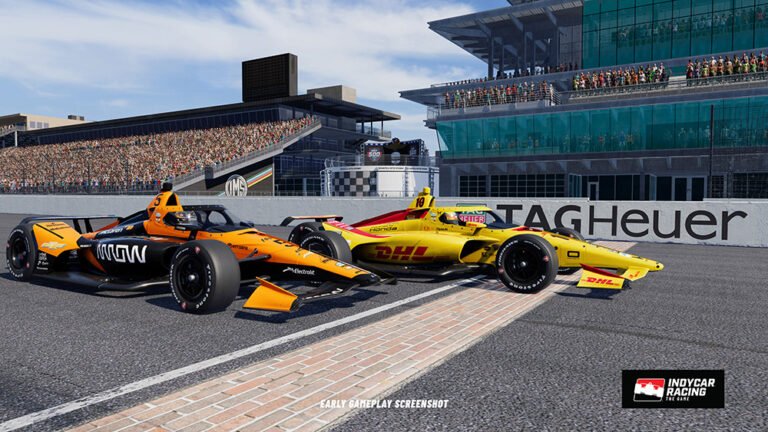
When the clock started running on INDYCAR Racing The Game’s development, IndyCar fans had a target in their heads: late 2026. That window shifted with July’s official launch plan announcement, which now puts the game in early 2027, aimed squarely at the countdown to the 2027 Indianapolis 500. The community response has been exactly what you’d expect from a fanbase that has waited more than two decades for a proper IndyCar game: cautiously excited, mildly skeptical, and very specific about which tracks need to be in it.
A meaningful share of fans see the updated window as the same story they’ve been hearing since iRacing and INDYCAR first announced the project. The original late-2026 target had already become a familiar talking point, so hearing another qualified window hasn’t triggered a wave of shock. The general read is that this has been the expected timeline since the game was first announced, and a fresh round of official language doesn’t fundamentally change that picture.
That said, the mood isn’t negative. Most fans are willing to sit with a delay if it means a more complete game at launch, particularly on the track roster front. The consistent message is that a longer runway is worth it if it means circuits like Streets of Arlington, Streets of Markham, and Detroit are included from day one rather than trickling in later. A delay people can live with is a delay that delivers more on launch.
On tracks specifically, fans get very particular. Watkins Glen and Sonoma sit at the top of nearly every wishlist. Texas and Michigan come up consistently, two ovals that define a significant portion of what the IndyCar season actually feels like on track. There’s also a split over whether fantasy circuits belong in the game at all, with no clear community consensus either way. What isn’t in dispute is that iRacing’s existing track library is one of the biggest reasons fans are optimistic about this project. The company already has the physical infrastructure for nearly every circuit on the 2026 INDYCAR calendar. The expectation that newer builds like Streets of Arlington and Streets of Markham will make the jump to the standalone title is baked into a lot of the excitement.
NASCAR 25’s free Portland DLC is running through a lot of people’s minds as a reference point. The IndyCar community is actively hoping iRacing takes a similar approach with tracks that don’t make the launch cut. DC International gets mentioned frequently as a logical DLC candidate. Its city-specific construction and relatively limited window in the real-world INDYCAR schedule make it feel more like a post-launch addition than a guaranteed day-one circuit. Fans seem to understand that, and there’s genuine appetite for the kind of free track drops that keep a game relevant as the real-world calendar keeps moving.
The trust factor in all of this is worth pausing on. IndyCar games have a rough track record, and the previous attempt by Motorsport Games left a mark on the community. The response to iRacing building this one is measurably different. The feeling running through most of the fan conversation is something like: if you had to pick one studio to get this right, it would be this one. That trust has limits, though. Fans want to see the game, not just receive confirmations that it exists. The push from the community right now is for drip marketing: developer interviews, behind-the-scenes footage, actual in-game video of circuits being driven. The runway to the 2027 Indianapolis 500 is long enough that iRacing could build genuine momentum between now and launch. Most fans think that campaign should already be underway.
For context on how the game is actually being built, including why iRacing started from scratch rather than adapting existing simulation code, see our companion piece: iRacing IndyCar Game Built From Scratch, Not Salvaged Code.