30 Years of IndyCar Gaming: From Papyrus to INDYCAR Racing The Game
More than three decades is a long time to wait for a genre to come back. IndyCar gaming has a history that runs from the late 1980s through some of the best racing simulations ever made, then falls off a cliff in the mid-2000s and stays quiet for nearly two decades. INDYCAR Racing The Game is the first serious attempt to change that, and the studio behind it is the one that arguably kept IndyCar alive in sim racing while the genre was gone. Understanding why this moment matters means tracing the whole arc, from a small Boston studio in 1989 to a standalone console title arriving just in time for the 2027 Indianapolis 500.
The Papyrus Years and Why They Mattered
Papyrus Design Group was founded in 1987 by Dave Kaemmer and Omar Khudari, and the company’s first major release set the standard for what an IndyCar game could be. Indianapolis 500: The Simulation, released in 1989, was not a casual racing game. It modeled tire wear, fuel strategy, aerodynamic drafting, and pit timing in ways that PC racing games simply weren’t doing at the time. It was hard, it was unforgiving, and it was exactly the kind of game that made you feel like you’d earned a clean lap at Indianapolis Motor Speedway.
IndyCar Racing followed in 1993, and it raised the bar again. For the first time, the full IndyCar calendar was in a game, not just IMS, but the road courses, the street circuits, the full season. The physics model was sophisticated for its era, and the AI was competitive enough that finishing mid-pack was genuinely difficult. IndyCar Racing II arrived in 1995 and continued the trajectory. By the mid-1990s, Papyrus had established IndyCar simulation as the serious end of the PC racing market. These weren’t arcade games with open-wheel cars bolted on. They were attempts at replicating what the sport actually felt like from the cockpit.
That mattered for a reason that’s easy to understate now: IndyCar was, at the time, the most visible form of American open-wheel racing, and Papyrus was capturing it in software in a way no other developer came close to. The games built a fanbase that understood and expected depth. That fanbase is still here, and their expectations going into 2027 are shaped partly by what Papyrus established in the early 1990s.
What Killed IndyCar Gaming
Sierra On-Line acquired Papyrus in 1995. The acquisition didn’t immediately change things. Papyrus kept operating as a studio and kept making racing simulations, but the ownership structure introduced constraints and pressures that hadn’t existed before. The studio shifted focus toward NASCAR, which had broader commercial appeal in the late 1990s and early 2000s. IndyCar simulation moved to the background.
Sierra itself went through its own turbulence, being acquired by Vivendi and eventually absorbed into Vivendi Universal Games. Papyrus’s independence was steadily eroded. In 2004, the studio was shut down entirely. The team that had built the foundational IndyCar simulations was gone.
What followed was a long gap. The IndyCar series itself went through its own difficult period. The IRL/CART split had already fractured the open-wheel fanbase, and the commercial prospects for an IndyCar game without a major studio attached were limited. The genre faded. For most of the 2000s and into the 2010s, if you wanted to race an IndyCar in a game, your options were limited to general motorsport titles where IndyCar was an afterthought, or the fringes of the sim racing world.
The most recent dedicated attempt came from Motorsport Games, which had acquired the rights to produce an official IndyCar game. The project did not go well. Development was troubled, the studio faced broader financial and organizational problems, and the IndyCar community came away from the experience with lowered expectations for what a licensed game could deliver. The Motorsport Games era left a mark that is still visible in how fans talk about the current project. The comparison comes up constantly, and not favorably.
iRacing and the Sim Racing Safety Net
Dave Kaemmer, one of Papyrus’s co-founders, launched iRacing in 2008. The platform took a different approach from the console gaming model: subscription-based, PC-only, built around a community of serious sim racers, and obsessed with the kind of physical accuracy that Papyrus had been chasing in the early 1990s. iRacing’s laser-scanning program meant that circuits were modeled from reality rather than approximation. The Dallara IR-18 came to the platform and was built with the same attention to the physics of the actual car.
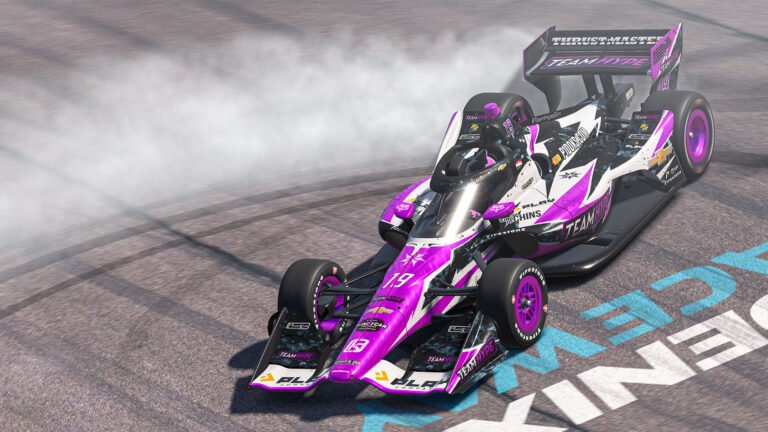
iRacing became the home for IndyCar simulation during the years when a standalone game didn’t exist. The INDYCAR Thrustmaster Pro Series gave the platform an official esports presence within the series. Tracks like Indianapolis Motor Speedway, Nashville Superspeedway, and Portland International Raceway were scanned and added to the library. The platform wasn’t marketed to casual fans. It required hardware investment and a learning curve that most console players wouldn’t tolerate, but it kept the competitive IndyCar sim racing community alive and growing.
That background is directly relevant to what’s coming. iRacing Studios is the developer behind INDYCAR Racing The Game, and the studio’s existing track infrastructure is one of the central reasons fans are more optimistic about this project than they were about previous attempts. The circuits are already built. The question is which ones make the launch cut.
The Comeback: INDYCAR Racing The Game
The official announcement came on July 10, 2026. iRacing Studios confirmed that INDYCAR Racing The Game would arrive in early 2027 on PlayStation 5, Xbox Series X|S, and PC. The timing is deliberate: the launch window is built around the countdown to the 2027 Indianapolis 500, the race that has anchored IndyCar’s identity since the series began.
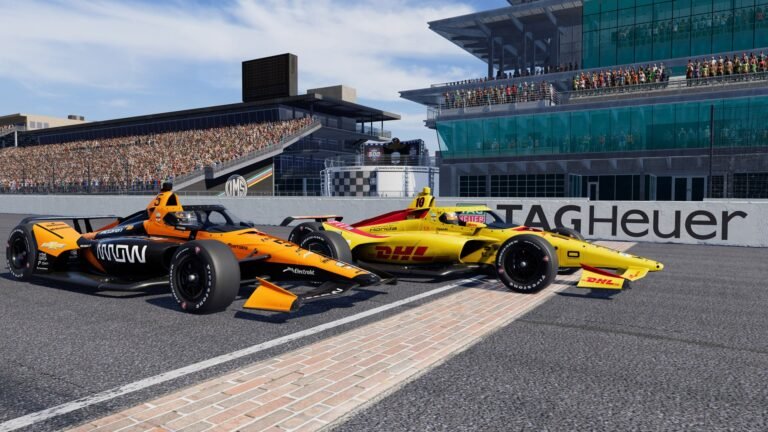
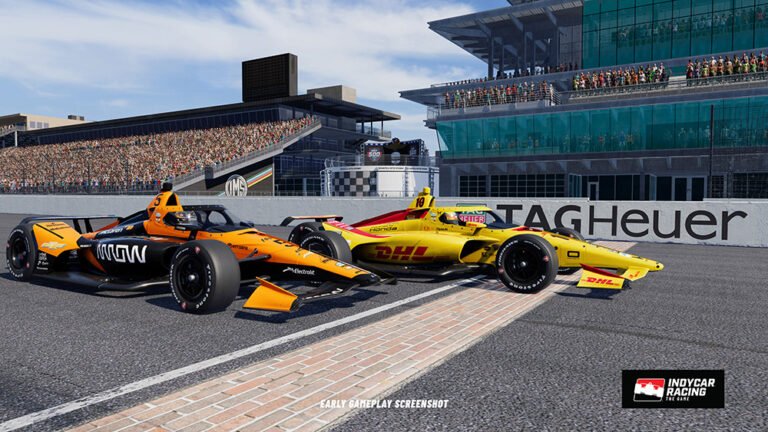
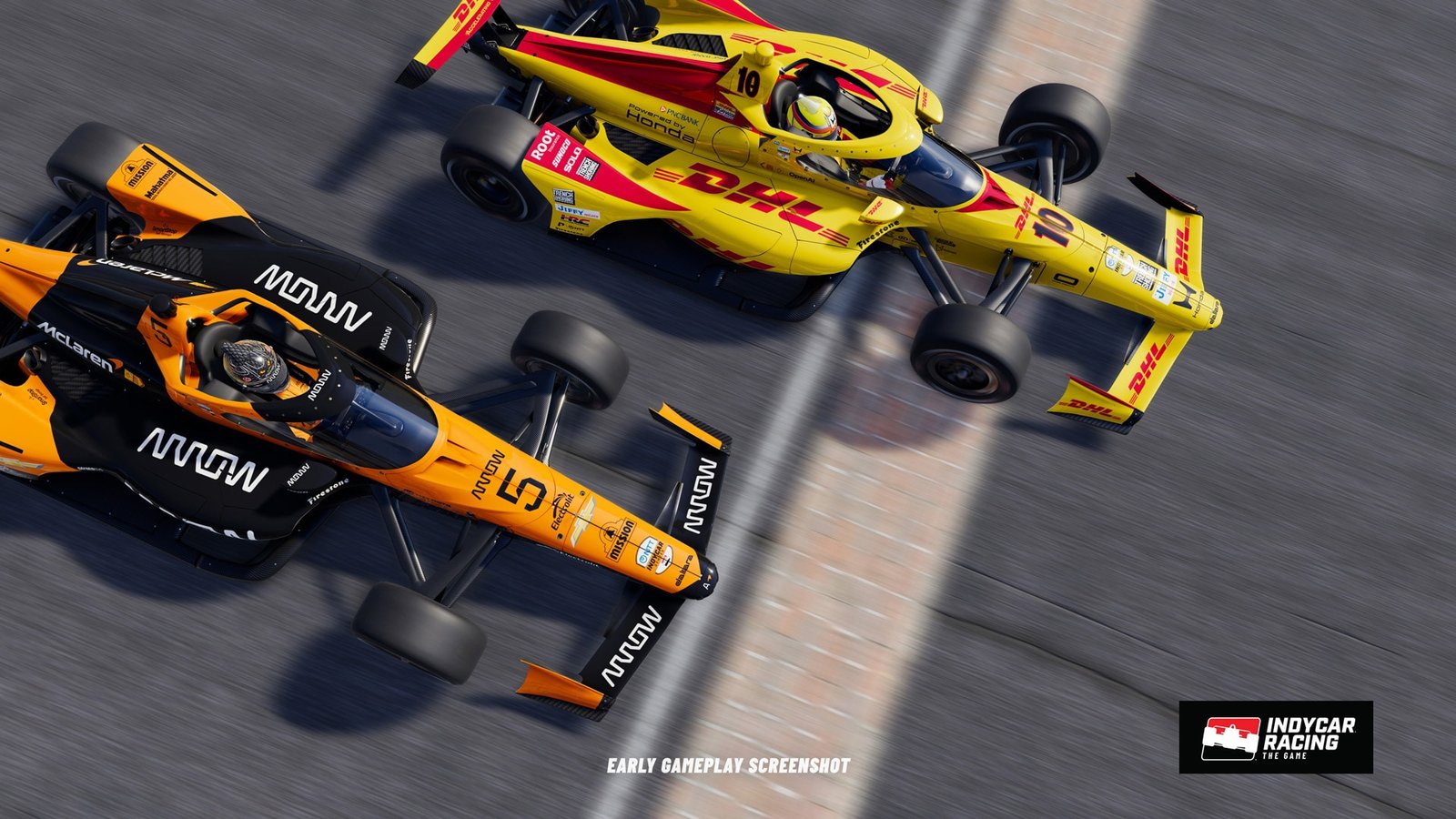
The game runs on the Orontes engine, built from scratch by iRacing Studios rather than adapted from iRacing’s existing simulation codebase. The distinction matters more than it might initially seem. The goal is an experience accessible to console players who have never touched a sim wheel, not just the existing iRacing subscriber base. The first footage released showed Álex Palou and Pato O’Ward at Indianapolis Motor Speedway, which was the right call: IMS is the visual and emotional anchor of the series, and it’s also one of the most precisely scanned circuits in iRacing’s library.
The early 2027 window replaced an earlier target of late 2026. The community response has been measured rather than alarmed. The prevailing read is that a longer runway is worth it if it means a more complete game at launch, particularly on the track roster. For more on the engine decision and what building from scratch actually means for how the game plays, the technical breakdown covers the development approach in detail.
Why This Time Feels Different
The track record for IndyCar games is bad enough that skepticism would be reasonable. It isn’t, mostly. The community around this project is cautiously optimistic in a way that previous announcements didn’t generate, and the reason points directly at who is building it.
iRacing is not a studio that announced an IndyCar game and then struggled to deliver. It is a studio that has spent nearly two decades keeping IndyCar alive in sim racing, building the track library, maintaining the physics model, and running the esports program. The knowledge base is there. The infrastructure is there. The team already understands what a serious IndyCar simulation needs to feel right, because they’ve been running one on PC since 2008.
The connection to Papyrus runs through Dave Kaemmer directly. The studio that built the original IndyCar simulations in the early 1990s is connected, through its co-founder, to the studio building the 2027 entry. That lineage doesn’t guarantee anything, but it means the game is being made by people who understand the history and what the standard once was.
Thirty-seven years after Indianapolis 500: The Simulation shipped, IndyCar gaming is attempting a real comeback. The studio is right, the timing is right, and the track library is already built. Whether the game delivers on what Papyrus established, and what the community has been waiting to feel again, is a question that gets answered in early 2027.