The 2027 IndyCar Driver Shakeup: Will the Game Reflect the New Grid?
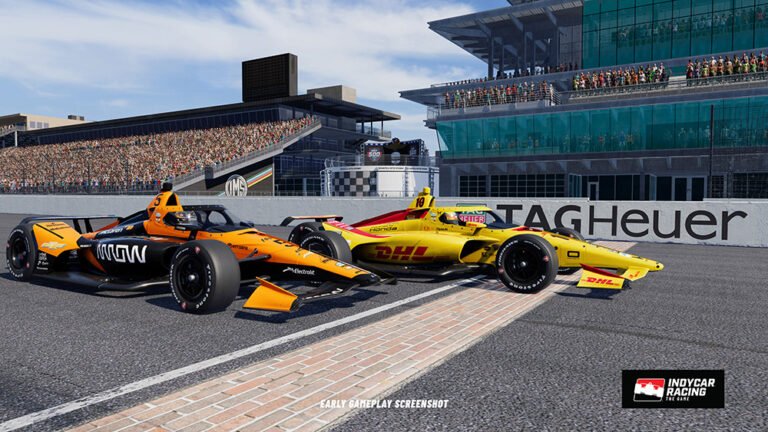
INDYCAR Racing The Game is launching “in the countdown to the 2027 Indianapolis 500.” That timing is great for excitement, but it raises a genuinely interesting question: which driver roster are we getting?
Because right now, the 2027 IndyCar grid is one of the most unsettled it’s been in years.
The Biggest Move: Scott Dixon to McLaren
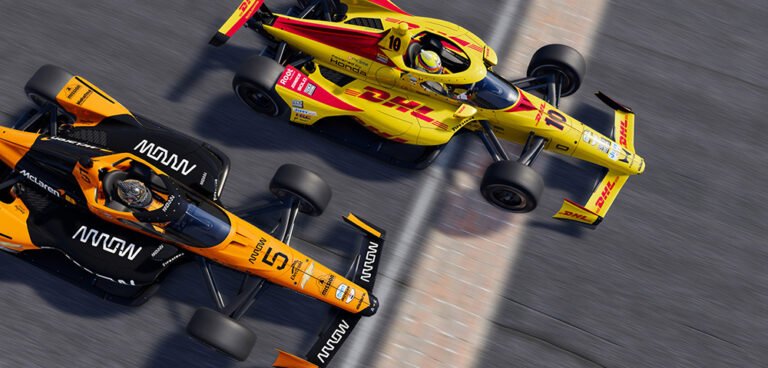
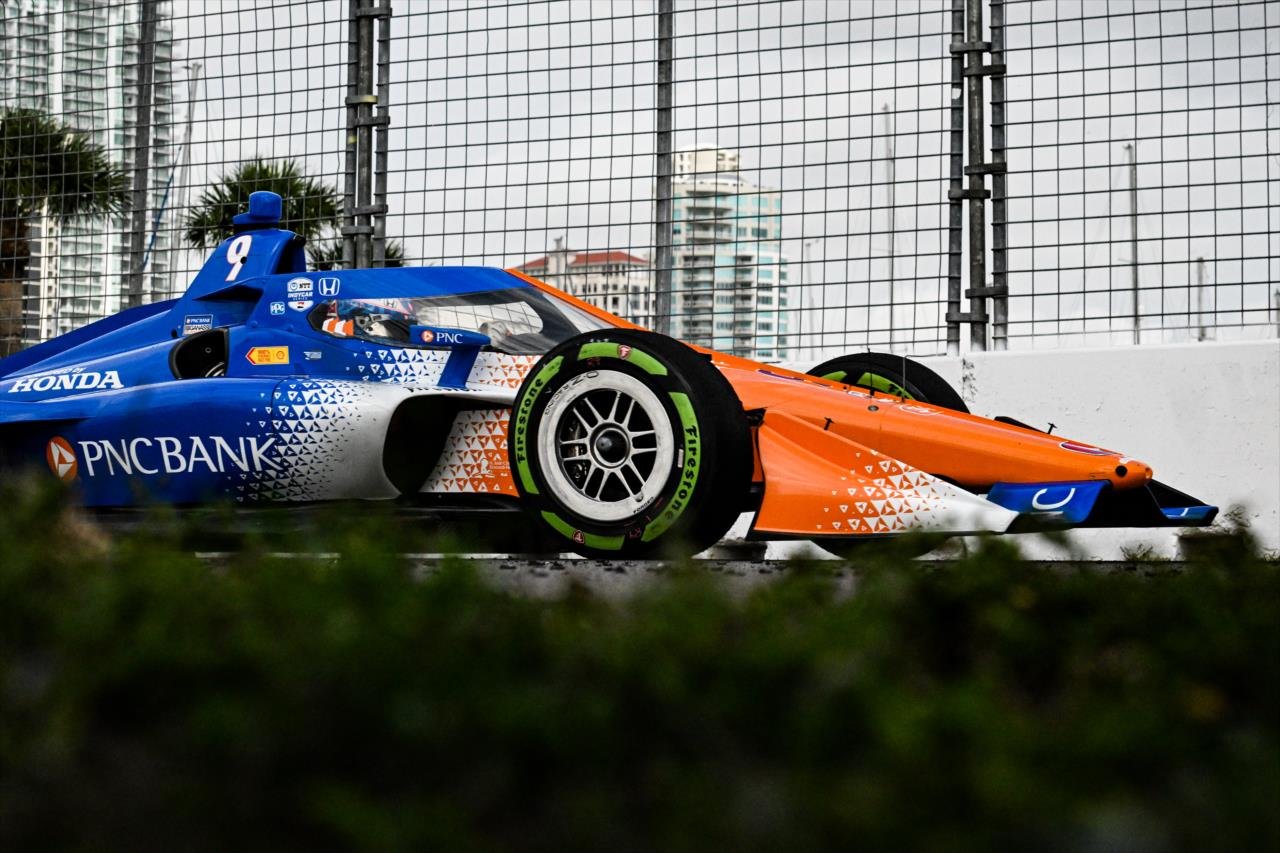
Let’s start with the headline. Scott Dixon, six-time IndyCar champion and arguably the greatest driver in the history of the series, is leaving Chip Ganassi Racing for Arrow McLaren in 2027.
Dixon has been at Ganassi for essentially his entire IndyCar career. The No. 9 car, the Target/PNC Bank livery, the Ganassi name. These are synonymous with Dixon in a way that very few driver-team partnerships are in any motorsport. And in 2027, he’s driving for McLaren.
For the game, this is a meaningful question. Do you put Dixon in the Ganassi car, where most fans have known him for 20+ years? Or do you reflect the actual 2027 reality where he’s a McLaren driver? The answer depends entirely on when the roster was locked for development.
Felix Rosenqvist: 2026 Indy 500 Winner on the Move
Felix Rosenqvist won the 110th Indianapolis 500 in May 2026, which is the single biggest moment in IndyCar in any given year. He’s also in the middle of a team change for 2027.
The Indy 500 winner is traditionally a marquee feature in any racing game that covers the series. Where Rosenqvist lands for 2027 matters for how his in-game entry will be presented.
The Unsettled Grid
As of July 2026, at least 10 of roughly 25 full-time seats for the 2027 season remain unconfirmed. AJ Foyt Racing has two seats to fill. Juncos Hollinger Racing is unsettled. Dale Coyne Racing is in the same boat. Christian Lundgaard’s situation is directly affected by McLaren’s moves.
This isn’t unusual for silly season in August, but it’s notable context for a game launching a few months later. Locking a 33-driver roster for development takes time, and the real-world grid is still shifting.
The Charter System Changes Everything
Starting in 2027, IndyCar is moving to a charter-only system for all races except the Indianapolis 500. Open entries, which have allowed privateers and one-off entries to fill out non-Indy fields, are being eliminated.
This has an interesting implication for career mode. If the game includes a career mode where you start as an independent driver working your way up, the charter system means the path to the field is narrower than it used to be. Will the game reflect the new reality, or will career mode operate on a looser fictional framework?
The 2027 Indy 500 Field: 33 Cars
Arrow McLaren has already confirmed it will run a fourth car at the 2027 Indianapolis 500, with Ryan Hunter-Reay behind the wheel. That means one of IndyCar’s most storied events, the one the game is launching alongside, will have a field that includes a 2014 Indy 500 winner in a temporary entry.
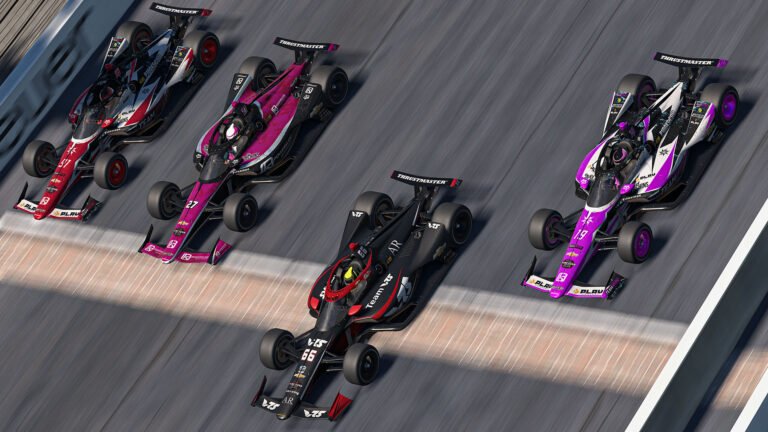
The Indy 500 has always been the crown jewel of any IndyCar game. Getting 33 cars on the grid, with accurate teams and drivers, is the moment the game will live or die for hardcore fans. It’s the one race everyone wants to simulate perfectly.
Why This Is Actually Good for IGH Coverage
Here’s the upside: roster questions are content. Every confirmed driver signing for 2027 is a reason to update this topic, link back to the game, and keep readers engaged. “Dixon confirmed for McLaren: here’s what his car looks like in-game” writes itself. “Rosenqvist reveals 2027 team: will the game update before launch?” is a real story.
INDYCAR Racing The Game is going to overlap with one of the most interesting silly seasons in recent memory. That’s a feature, not a problem.